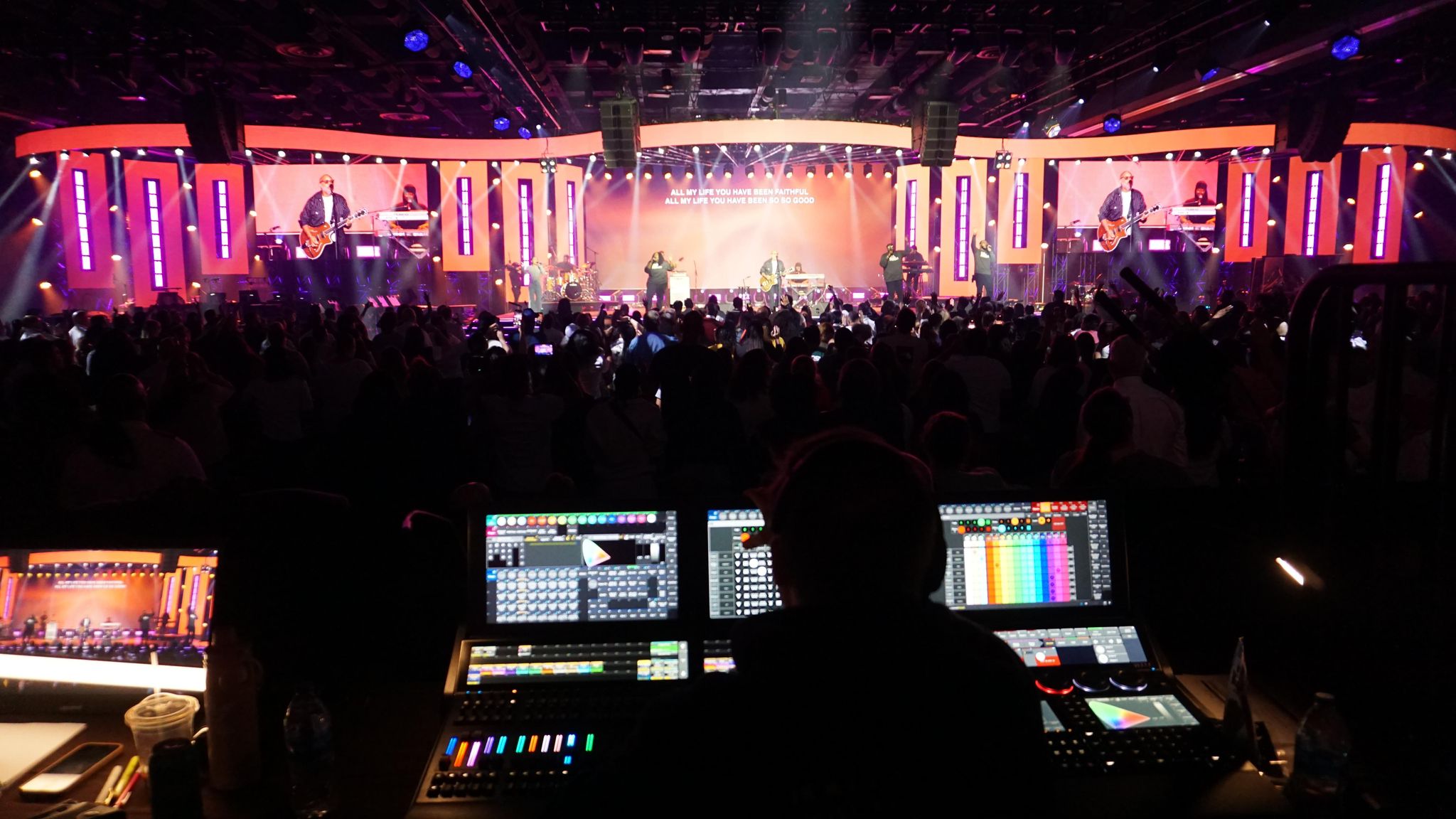
Live music has always been about more than just sound. From the earliest theatrical productions to contemporary arena spectacles, visual elements have enhanced musical performances by adding layers of meaning, emotion, and spectacle. Today’s LED technology enables storytelling possibilities that previous generations of performers could only imagine, transforming concerts into immersive narrative experiences.
LED wall rental has become fundamental to productions that seek to tell stories alongside music. These massive canvases provide artists with unprecedented creative tools for visual expression. Understanding how to harness these capabilities for effective storytelling separates memorable productions from forgettable ones.
Visual Narrative in Concert Production
Storytelling through concert visuals operates on multiple levels simultaneously. At the most direct level, imagery can illustrate lyrical content, showing audiences what songs describe. More sophisticated approaches use visual metaphor and abstraction to evoke emotional responses that complement musical moods without literal interpretation.
LED wall rental enables both approaches and everything in between. High-resolution displays can present photorealistic imagery for narrative sequences, while the same screens can dissolve into abstract patterns that pulse with musical energy. This flexibility allows creative teams to match visual approaches to specific songs and moments.
Arc structures borrowed from traditional storytelling apply to concert design. Opening sequences establish visual themes and energy levels. Middle sections develop and vary these themes, building toward climactic moments. Closings provide resolution and emotional release. This structure gives audiences satisfying journeys through complete shows.
Transitions between songs offer critical storytelling opportunities. Rather than simple blackouts, thoughtful visual transitions can connect disparate musical moments into cohesive narratives. These bridges maintain audience engagement while setting up subsequent songs emotionally and thematically.
Creating Emotional Resonance
Effective visual storytelling generates emotional responses that amplify musical impact. Color, motion, and imagery all influence how audiences feel, creating opportunities to heighten whatever emotions songs convey. When visuals and music align emotionally, the combined effect exceeds what either could achieve independently.
LED wall rental specifications should consider emotional range requirements. Systems must handle both subtle atmospheric content for introspective moments and overwhelming spectacle for climactic peaks. Dynamic range in brightness, color saturation, and motion capabilities enables full emotional expression.
Pacing emotional content requires sensitivity to musical dynamics. Rushing to peak intensity early leaves nowhere to go for actual climaxes. Building gradually through shows allows audiences to experience complete emotional journeys. Visual restraint during verses makes choruses more impactful.
Audience psychology influences how visual content affects emotion. Certain colors, movements, and patterns trigger predictable responses that content creators can leverage intentionally. Understanding these principles helps designers create content that consistently achieves desired emotional effects.
Integration with Performance
The most effective visual storytelling integrates seamlessly with live performance. Visuals should enhance rather than distract from performers, supporting their expression without competing for audience attention. Achieving this balance requires close collaboration between visual designers and performing artists.
LED wall rental configurations should consider performer placement and movement patterns. Screen positions that work well for content display may create problematic sightlines or lighting conditions for performers. Thoughtful design resolves these potential conflicts before they become problems during shows.
Live camera integration brings performers into visual narratives. IMAG content can be processed, layered, and integrated with prepared graphics to create hybrid imagery that responds to actual performance moments. This connection between live action and video content reinforces the authenticity of concert experiences.
Performer interaction with visual content creates memorable moments. When artists acknowledge, react to, or appear to control screen imagery, audiences perceive unity between visual and musical elements. These interactions can be planned and rehearsed or left open for spontaneous expression during performances.
Content Development Processes
Creating visual content for concert storytelling requires specialized skills and significant lead time. Content designers must understand both artistic vision and technical constraints, translating creative concepts into material that displays effectively on LED systems while serving narrative purposes.
LED wall rental planning should include content development timelines. Adequate preparation time allows for creative exploration, client feedback, technical testing, and refinement. Rushed content development often results in generic material that fails to realize storytelling potential.
Collaborative processes between artists, designers, and technical teams produce the best results. Regular communication ensures that visual concepts align with artistic vision while remaining technically feasible. Iterative development allows refinement based on feedback and testing.
Technical specifications for content must match display capabilities precisely. Resolution, aspect ratio, color space, and frame rate all affect how prepared content appears on actual screens. Testing content on representative displays identifies issues before they affect shows.
Narrative Techniques and Approaches
Various narrative techniques adapt from film, theater, and other visual media to concert applications. Understanding these approaches helps creative teams select appropriate methods for specific artistic goals and audience expectations.
Linear narrative follows traditional story structure, presenting events in chronological sequence. This approach works well for concept albums or shows organized around specific themes. LED wall rental enables seamless visual storytelling that carries audiences through complete narrative arcs.
Atmospheric approaches focus on mood and feeling rather than explicit story. Abstract imagery, environmental scenes, and texture-based content create immersive environments without demanding narrative interpretation. This technique suits diverse musical genres and allows audience members to find personal meaning.
Hybrid approaches combine narrative and atmospheric techniques, moving between explicit storytelling and abstract expression based on musical content. This flexibility allows shows to include both defined narrative moments and open-ended emotional experiences.
Technical Considerations for Storytelling
Technical capabilities both enable and constrain storytelling possibilities. Understanding what LED systems can and cannot do helps creative teams develop content that displays effectively while achieving narrative objectives.
LED wall rental specifications should reflect storytelling requirements. Screen configurations that suit certain narrative approaches may be wrong for others. Custom screen shapes and positions can reinforce specific visual concepts central to production narratives.
Playback systems must support complex content sequencing required for narrative presentations. Seamless transitions, precise timing, and reliable cueing ensure that visual stories unfold as intended. Redundant systems protect against technical failures that could interrupt narratives.
LED walls provide unprecedented storytelling capabilities for live music productions. Understanding how to harness these tools for effective visual narrative transforms concerts from simple performances into immersive experiences that engage audiences on multiple levels. As technology advances, the possibilities for concert storytelling will continue expanding, creating new opportunities for artists to connect with audiences through the powerful combination of sight and sound.
