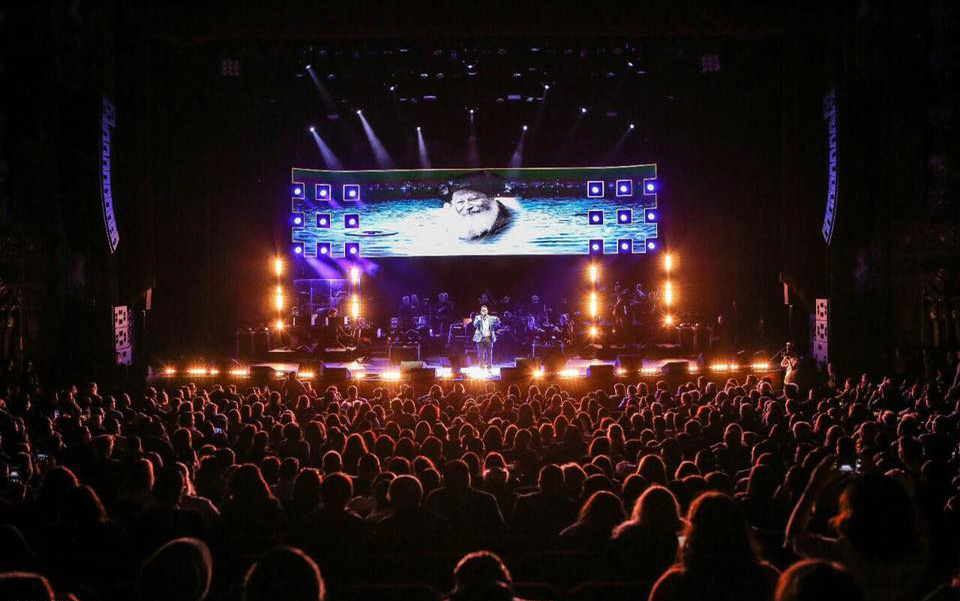
Professional lighting transforms ordinary spaces into extraordinary environments. Whether creating intimate atmospheres for corporate gatherings or spectacular visual displays for concert productions, lighting design shapes how audiences perceive and experience events. The technology available today enables effects that would have seemed magical just a generation ago.
Lighting rental provides access to professional equipment without the substantial capital investment of ownership. This approach allows production teams to select exactly the right tools for each project while benefiting from expertly maintained inventory and technical support. Understanding what’s available and how to use it effectively maximizes the value of lighting rental investments.
Understanding Fixture Categories
Professional lighting fixtures fall into several categories, each serving distinct purposes within comprehensive lighting designs. Understanding these categories helps production teams communicate effectively with rental providers and select appropriate equipment for specific applications.
Wash fixtures produce broad, even illumination that covers large areas. These workhorses of lighting rental create base layers of light that establish overall color palettes and visibility levels. Modern LED wash fixtures offer smooth color mixing, reduced power consumption, and minimal heat output compared to conventional alternatives.
Spot fixtures project focused beams that highlight specific subjects or create dramatic effects. Moving head spots can position beams precisely throughout venues, enabling dynamic looks that respond to performance content. Gobo projections, prism effects, and variable focus expand creative possibilities.
Beam fixtures create tight, visible shafts of light that cut through atmospheric haze to create aerial effects. These high-impact fixtures define many contemporary concert aesthetics, creating the sweeping beam patterns that audiences associate with major productions.
LED Technology Advantages
LED lighting has revolutionized event production through significant advantages over traditional lighting technologies. These benefits have driven rapid adoption across all segments of the lighting rental industry, making LED fixtures standard for most contemporary productions.
Energy efficiency reduces power consumption dramatically compared to conventional fixtures. Productions that once required massive electrical infrastructure can now operate on significantly less power. This efficiency translates to reduced generator requirements, lower utility costs, and simplified venue logistics.
Reduced heat output improves comfort for performers and audiences while reducing climate control demands. Lighting rental packages featuring LED fixtures can be deployed in temperature-sensitive environments where conventional lighting would create uncomfortable conditions.
Extended lamp life eliminates the need for frequent lamp replacements that plagued conventional fixtures. LED sources last tens of thousands of hours, reducing maintenance requirements and ensuring consistent performance throughout rental periods.
Control Systems and Programming
Sophisticated control systems enable precise management of complex lighting installations. Modern consoles can control thousands of individual parameters simultaneously, allowing designers to create intricate looks that would be impossible with manual operation.
Lighting rental packages typically include appropriate control systems matched to fixture inventories. Entry-level controllers suit simple installations, while touring productions require advanced consoles with extensive programming capabilities and redundancy features.
Network-based control protocols have become standard for professional applications. Systems like Art-Net and sACN distribute control data over ethernet infrastructure, simplifying cabling while providing flexibility for complex installations. Wireless options extend control to positions where running cables is impractical.
Pre-programming before load-in maximizes productive time in venues. Visualization software allows designers to create complete show files using virtual representations of actual equipment. This preparation ensures that on-site time focuses on refinement rather than initial programming.
Rigging and Safety Considerations
Professional lighting installations require careful attention to rigging and safety. Overhead fixtures must be secured appropriately to prevent falls that could injure personnel or audiences. Compliance with applicable codes and standards protects everyone involved while demonstrating professional responsibility.
Lighting rental providers supply appropriate rigging hardware for specific fixture types and installation scenarios. Clamps, safety cables, and structural support systems ensure that equipment remains secure under all foreseeable conditions. Weight documentation enables accurate load calculations for venue infrastructure.
Electrical safety requires proper distribution systems that match fixture power requirements. Adequate circuit capacity, appropriate cable gauges, and correct connector types prevent overloads and ensure reliable operation. Ground fault protection adds additional safety margins for installations near water or outdoor environments.
Documentation of safety measures provides accountability and facilitates inspections where required. Professional lighting rental operations maintain records of equipment certifications, rigging calculations, and installation procedures that demonstrate compliance with industry standards.
Atmospheric Effects Integration
Atmospheric effects dramatically enhance lighting impact by making beams visible in the air. Haze, fog, and other atmospheric media catch light and create dimensional effects impossible in clear air. Integration of atmospheric equipment with lighting rental expands creative possibilities significantly.
Haze machines produce fine, even atmospheric density that reveals beam patterns without obscuring vision. Professional hazers offer variable output that can be tuned for specific visual requirements. Consistent haze distribution requires attention to air circulation patterns within venues.
Fog machines create denser atmospheric effects for dramatic moments. Low-lying fog effects keep density near floor level for theatrical applications. Timing fog bursts with lighting cues creates synchronized effects that heighten dramatic impact.
Venue considerations affect atmospheric equipment selection. Some facilities prohibit certain atmospheric media due to fire suppression system concerns or air quality requirements. Understanding venue restrictions before specifying lighting rental packages prevents last-minute complications.
Rental Relationship Management
Successful lighting rental relationships benefit from clear communication and mutual understanding between production teams and equipment providers. Establishing expectations upfront prevents misunderstandings that could affect event success.
Advance planning allows rental providers to prepare equipment properly for specific productions. Detailed technical specifications enable accurate quoting while ensuring that all required components are available when needed. Last-minute changes strain resources and may result in compromised solutions.
Technical support expectations should be clarified during rental negotiations. Some productions require on-site technicians throughout events, while others need only initial setup assistance. Understanding what support is included versus additional helps budget accurately.
Equipment inspection at pickup or delivery documents condition and verifies completeness. Noting any issues at this point protects both parties from disputes about damage responsibility. Similar inspection at return ensures accountability for equipment condition.
Maximizing Rental Value
Strategic approaches to lighting rental maximize the value received from equipment investments. Understanding how rental pricing works and what affects costs helps production teams make informed decisions that balance capability with budget constraints.
Rental duration affects total costs significantly. Weekly rates often provide better value than daily rates for extended productions. Accurately estimating required rental periods prevents unnecessary expenses while ensuring adequate time for setup, programming, and strike.
Package pricing may offer savings compared to itemized rentals. Lighting rental providers often bundle common equipment combinations at reduced rates. Discussing production requirements with rental consultants can identify package options that meet needs economically.
Professional lighting rental provides access to technology and expertise that transforms events from ordinary to extraordinary. Understanding available options, communicating needs clearly, and managing rental relationships professionally ensures that productions achieve their visual potential while respecting practical constraints.
