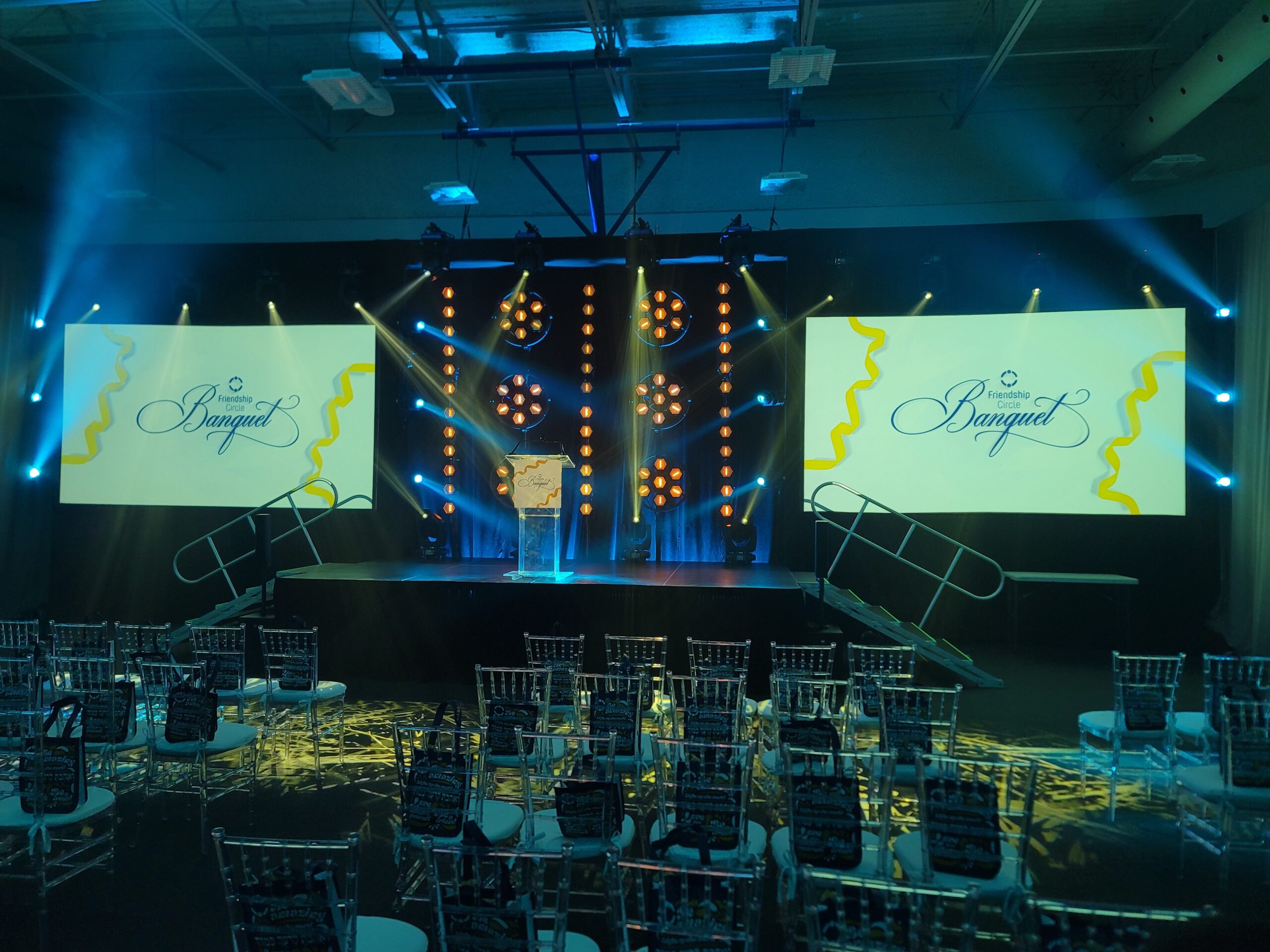
The visual impact of LED walls has become central to modern concert experiences across all venue sizes. From intimate club shows to massive stadium productions, these displays enhance performances and create memorable moments for audiences. However, the approach to LED implementation varies dramatically based on venue scale, requiring production teams to understand how configurations should adapt to different contexts.
Large concerts LED wall rental demands differ substantially from smaller venue requirements. Understanding these differences helps production teams make informed decisions that maximize visual impact while respecting budget constraints and logistical realities. The goal remains consistent across scales: creating compelling visual environments that enhance rather than overwhelm musical performances.
Small Venue Considerations
Small venues present unique challenges that require thoughtful LED implementation. Limited stage depth restricts how far screens can be positioned from performers, affecting both sightlines and heat management. Ceiling heights may constrain vertical screen dimensions, while narrow stages limit horizontal expansion possibilities.
Pixel pitch selection becomes critical in intimate spaces where audiences view screens from close distances. Coarse pitches that work well in large venues appear pixelated when viewed from nearby positions. Small venue installations typically require finer pitches that maintain image quality for close-range viewing, though these higher-resolution panels cost more per square meter.
Brightness levels require careful management in smaller spaces. Screens calibrated for arena distances can overwhelm intimate rooms, causing eye fatigue and detracting from live performers. Reduced brightness settings preserve visual comfort while maintaining screen visibility under stage lighting conditions.
Content design for small venues should emphasize subtlety over spectacle. Bold graphics that command attention in large spaces can feel aggressive in intimate settings. Texture, atmosphere, and supporting imagery often prove more effective than attention-grabbing visuals that compete with performers for audience focus.
Large Venue Requirements
Large concerts LED wall rental specifications reflect the scale and complexity of arena and stadium productions. These installations must deliver visible imagery to audiences positioned hundreds of meters from stages, requiring substantial screen dimensions and high brightness output.
Screen size in large venues serves functional as well as aesthetic purposes. Distant audience members rely on video displays to see performers clearly, making IMAG (image magnification) a critical application. Screen dimensions must be sufficient to provide meaningful visual information at maximum viewing distances.
Multiple screen positions address the challenge of serving audiences spread across large footprints. Main screens behind performers provide primary visual content, while delay screens throughout venues ensure that distant sections receive comparable experiences. Coordinating content across numerous displays requires sophisticated distribution systems.
Structural requirements for large installations demand significant engineering attention. Large concerts LED wall rental includes rigging systems capable of supporting substantial weight loads safely. Structural calculations must account for dynamic forces, wind loading in outdoor venues, and emergency scenarios.
Pixel Pitch and Resolution Trade-offs
Pixel pitch selection involves balancing image quality against cost, weight, and power consumption. Finer pitches provide higher resolution but require more LEDs per unit area, increasing all these factors. Understanding optimal pitch for specific viewing distances helps avoid overspending on unnecessary resolution.
Viewing distance calculations determine minimum acceptable pixel pitch for specific installations. Industry standards suggest that pixel pitch in millimeters should roughly equal minimum viewing distance in meters. Following this guideline ensures that individual pixels remain imperceptible while avoiding excess resolution that audiences cannot appreciate.
Large concerts LED wall rental often utilizes coarser pitches than small venue installations because greater viewing distances render fine details invisible. Pitches of 4 to 6 millimeters work well for arena main screens, while stadium installations may use even larger pitches without compromising perceived quality.
Mixed-pitch configurations can optimize both quality and economy. Screens positioned near stages where cameras capture close-ups might use finer pitches, while distant screens utilize coarser options. This approach concentrates budget where resolution differences are most visible.
Configuration Flexibility and Creativity
Modular LED panel systems enable creative configurations that extend beyond simple rectangular screens. Production designers increasingly use irregular shapes, three-dimensional structures, and distributed arrangements that create distinctive visual environments.
Small venues benefit from creative configurations that maximize impact from limited panel quantities. Vertical columns, overhead elements, and integrated scenic pieces can create impressive effects without the massive screen areas that larger spaces demand. Strategic placement amplifies visual impact beyond what raw screen size might suggest.
Large concerts LED wall rental enables ambitious configurations that define production aesthetics. Curved surfaces, moving elements, and multi-layer designs create signature looks that audiences associate with specific tours or artists. These complex installations require extensive planning but deliver distinctive visual experiences.
Transparent LED products expand creative possibilities across all venue sizes. These panels allow light and sightlines to pass through while displaying video content, enabling layered designs impossible with conventional screens. Applications range from subtle atmospheric effects to dramatic reveals and transformations.
Content Strategy Across Scales
Content creation must account for different viewing experiences across venue sizes. Material designed for large-format stadium screens may require modification for effective presentation in smaller spaces, and vice versa. Understanding these differences helps ensure that visual content serves its intended purpose regardless of display scale.
Camera work for IMAG differs between venue sizes. Large concerts LED wall rental installations rely heavily on camera coverage to bring performers close to distant audiences. Smaller venues may minimize or eliminate IMAG, using screens primarily for visual content rather than performer magnification.
Motion and pacing should reflect venue energy levels. Intimate spaces often benefit from slower, more contemplative visual rhythms, while large venue productions can sustain higher energy content that matches crowd scale. Content libraries should include variations suited to different performance contexts.
Resolution-independent content creation ensures that material scales effectively across different screen sizes and pixel densities. Vector graphics, procedural effects, and properly prepared video assets maintain quality regardless of output dimensions. This flexibility supports touring productions that visit diverse venue types.
Budget Considerations and Value Optimization
LED rental costs scale with panel quantities, pixel density, and rental duration. Productions must balance visual ambitions against budget realities, finding configurations that deliver maximum impact within financial constraints. Understanding cost drivers helps identify opportunities for value optimization.
Small venue productions often face proportionally higher per-attendee costs for LED installations because fixed expenses like transport and technical support spread across fewer tickets. Creative approaches that maximize impact from minimal panel counts help manage these economics.
Large concerts LED wall rental benefits from economies of scale that reduce per-panel costs for substantial installations. However, absolute costs for arena and stadium productions can be substantial, requiring careful consideration of which elements deliver proportional value.
Understanding how LED configurations should adapt across venue sizes helps production teams create compelling visual experiences appropriate to each context. Whether intimate or massive, thoughtful LED implementation enhances performances and creates memorable moments that audiences carry with them long after shows conclude.
