When Everything Fails and Excellence Emerges
The Perfect Storm of Production Disaster
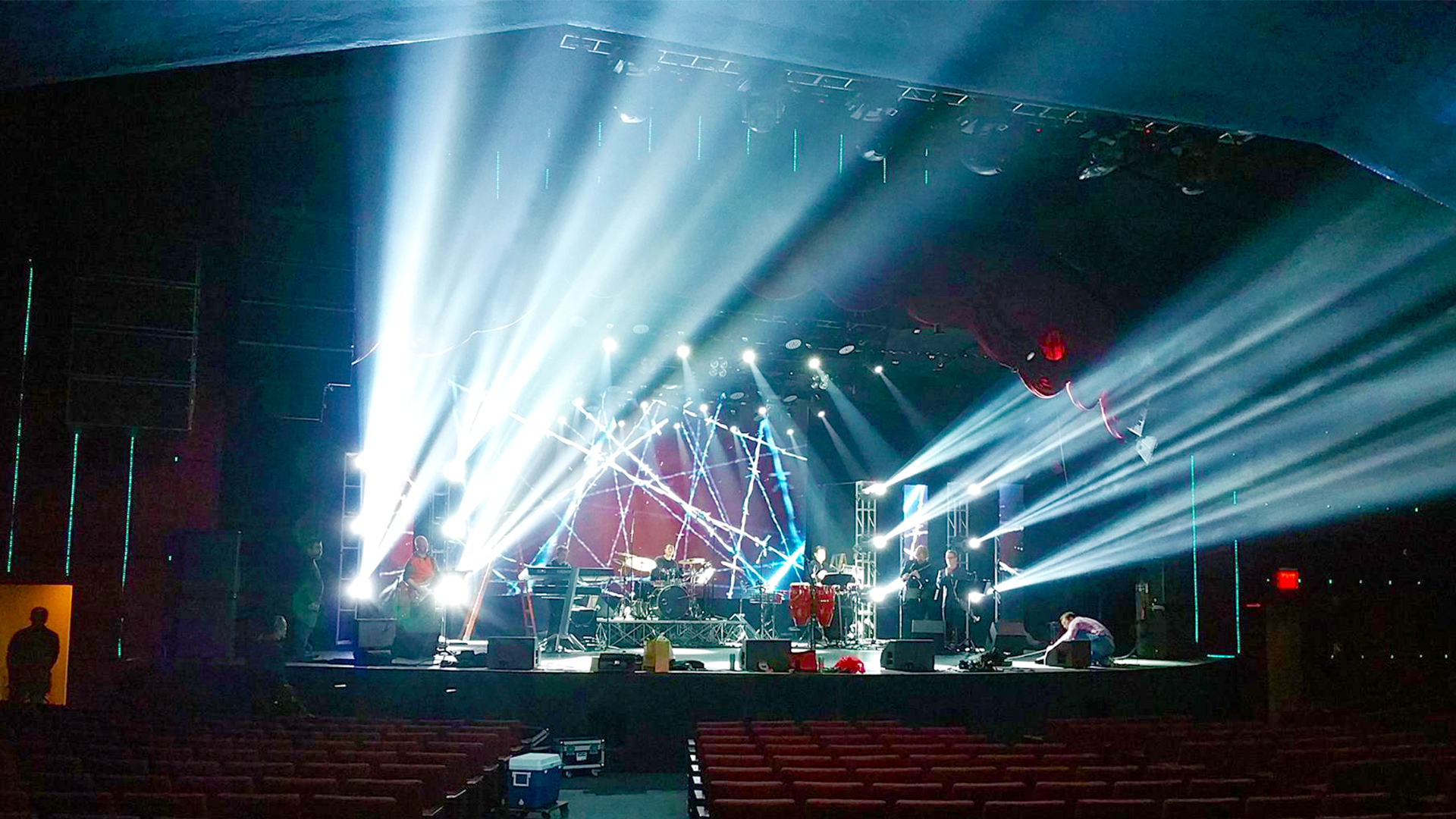
The 2023 Dubai Entertainment Summit was supposed to showcase the best of international production talent. PRG had provided the lighting package featuring Martin MAC Ultra Performance fixtures and an MA Lighting grandMA3 full-size console. Eighth Day Sound had supplied L-Acoustics K2 arrays with LA12X amplification. TAIT had engineered custom automation. Every element represented the pinnacle of the production industry. Then everything went wrong simultaneously.
At 6:47 PM on opening night, forty-three minutes before doors, a power surge cascaded through the venue’s electrical infrastructure. Within seconds, consoles rebooted, fixtures crashed, and the audio network fragmented into isolated islands. The production manager’s radio crackled with reports from every department: nothing was working.
The First Thirty Minutes
IATSE and BECTU members on the crew demonstrated why union training matters in crisis. Without waiting for instructions, departments began triage. The lighting team switched to battery-powered work lights. The audio crew began patching analog backups. The rigging department confirmed that structural elements remained secure despite power interruptions.
Communication became the immediate priority. When the primary Clear-Com matrix failed, crews transitioned to cell phones and radio networks operating on different frequencies. The production manager established a command post near the loading dock where line-of-sight communication with all departments remained possible.
The automation team faced particularly complex challenges. TAIT Navigator systems that had been carefully programmed over weeks had lost their reference positions. Emergency stop states had to be cleared before any movement could occur. The decision was made to lock all automation in current positions and proceed without programmed movements.
The Improvised Recovery
The FOH engineer had years of experience on Avid consoles before the industry largely transitioned to DiGiCo and Yamaha. When the primary SD7 proved unresponsive, she remembered an emergency analog board in the backup truck. Within twenty minutes, a Midas Venice was patched to the LA12X amplifiers, providing basic mixing capabilities.
Lighting proved more challenging. Modern shows depend on console-based programming that cannot easily transfer to backup systems. The lighting designer made a crucial decision: simplify. Using the grandMA3’s offline editor on a laptop, he built an emergency cue stack with basic coverage looks while the console recovered.
The LED video system from ROE Visual required careful restart procedures to avoid pixel mapping errors. The video engineer executed a systematic power-cycle that brought panels online in correct sequence, displaying emergency holding content while the main media server recovered.
The Human Infrastructure
What distinguished this crew’s response from potential disaster was not just technical skill but organizational culture. No time was wasted on blame or complaint. Department heads made decisions within their areas without waiting for approval. Information flowed continuously to the command post and from there to other departments.
The catering team, recognizing that crew members had abandoned dinner stations when crisis struck, began circulating with portable food and water. This small gesture maintained energy levels during the intense recovery period. Stage managers tracked progress on physical whiteboards when digital systems failed.
Venue management initially pressured to cancel the show. The production manager negotiated a forty-five minute delay instead, buying time for recovery while keeping the event viable. This negotiation required diplomacy that technical training doesn’t provide but experience develops.
The Show Goes On
At 8:12 PM, ninety-three minutes after the initial failure, the show began. Not the planned show—many automated effects were disabled, lighting was simpler than designed, and video content ran from a backup server with reduced resolution—but a show that audiences experienced as complete and professional.
The performers knew something had happened backstage. The reduced capabilities were obvious to them. Yet they adapted, adjusting their performances to work with available technology rather than missing technology. This flexibility reflects professional experience that cannot be taught except through doing.
Reviews the next day praised the production’s polish and technical sophistication. No critic mentioned the chaos that had occurred before doors opened. From the audience perspective, which is finally the only perspective that matters, the show was excellent.
Lessons Burned into Memory
The post-mortem analysis occupied three days of intensive review. The power surge’s cause was traced to a venue transformer failure coinciding with generator start-up—a race condition that power distribution engineers subsequently developed protocols to prevent. Every department documented lessons learned.
Redundancy investments increased across the industry following this incident. More productions now carry analog backup systems even when digital infrastructure seems reliable. Network segmentation strategies now include fail-secure configurations that maintain basic functionality even when primary systems fail.
The crew members who survived this chaos developed bonds that transcend typical professional relationships. Shared crisis creates community. Many continue working together, their trust in each other validated by performance under impossible pressure.
Perhaps the deepest lesson is that production excellence isn’t about preventing problems but about responding to them. Equipment will fail. Power will fluctuate. Networks will fragment. The organizations that thrive are those that prepare for failure and train for recovery, rather than assuming success and panicking at setbacks.
The crew that survived total chaos didn’t just save a show. They demonstrated what the production industry becomes when everything else falls away: human beings with skills, training, and commitment, creating extraordinary experiences through sheer collective will. Technology enables the industry. People are the industry.
