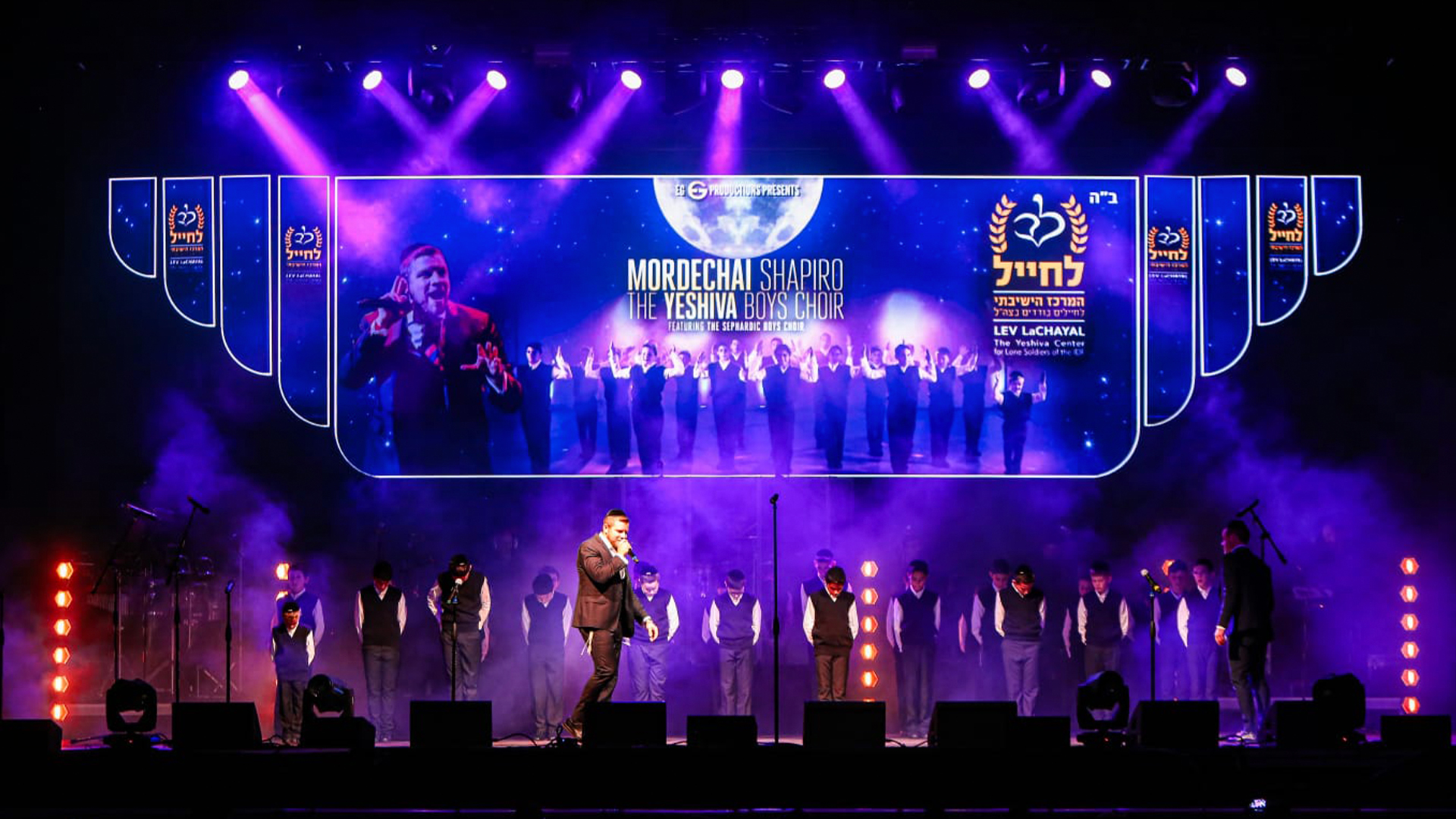
The surface-mounted LEDs populating modern video panels present a delicate contradiction: technology enabling massive concert visuals that remains extraordinarily vulnerable to physical damage. Packing LED panels for air freight demands techniques addressing this fragility while accommodating the rough handling cargo inevitably receives. A single mishandled case can create thousands of dead pixels visible to every audience member, making proper packing procedures essential knowledge for production professionals.
Understanding LED Panel Vulnerability
Surface-mount LEDs attach to panel circuit boards through tiny solder joints that shear under lateral forces. The individual LED packages protrude from panel surfaces, creating targets for impact damage. Even minor contact can snap LEDs from their mountings or crack the packages, resulting in dead or discolored pixels marring display quality.
Finer pixel pitch panels face increased vulnerability. A 1.5mm pitch panel packs far more LEDs per square meter than a 4mm pitch display, meaning more potential failure points. The smaller LED packages used in fine-pitch products prove more susceptible to damage than the larger components in coarse-pitch touring panels.
Connectors, power supplies, and receiving cards mounted behind panels also require protection. While less visible than LED damage, component failures render panels non-functional regardless of LED condition. Comprehensive protection addresses both display surfaces and electronics.
Case Selection for Air Transport
Purpose-built LED panel flight cases from manufacturers like ProX, Odyssey, or specialty fabricators provide essential protection. These cases feature internal configurations specifically designed for LED panel geometry, with spacing that prevents panel contact during transport.
Case construction must meet ATA (Air Transport Association) specifications for checked freight. ATA 300 Category 1 cases withstand the impacts common in airline cargo handling. Lesser construction may survive initial flights but degrades with repeated use, eventually allowing damage to contents.
Weight limits affect case selection significantly. Airlines impose per-piece weight restrictions—commonly 70 pounds for standard handling. Cases exceeding limits require special handling arrangements costing substantially more. Balance protection requirements against weight constraints when specifying case configurations.
Internal Padding and Separation
Foam padding absorbs impacts before they reach panels, but foam selection matters critically. Closed-cell polyethylene foam provides consistent protection without degrading from repeated compression. Open-cell foams lose resilience over time, eventually providing insufficient cushioning.
Panel surfaces must never contact other panels or case surfaces directly. Separating dividers between stacked panels prevent LEDs from touching anything during transport. These dividers must remain secure—shifting dividers that move aside during handling defeat their purpose.
Edge padding prevents panel corners and edges from impacting case walls. Corners concentrate impact forces and frequently suffer damage when inadequately protected. Build corner protection into case designs rather than relying on loose padding that shifts during handling.
Panel Orientation During Transport
Proper panel orientation within cases reduces damage risk significantly. Most LED panels should transport with LED surfaces facing each other across protective dividers, preventing direct surface contact with solid case walls that could crush LEDs during impact.
Mark cases clearly with orientation indicators showing which side must remain up. Cargo handlers sorting freight according to these markings—when they notice them—reduce handling damage. Use large, high-contrast markings resistant to wear and visible from any angle.
Shock indicators attached to cases reveal rough handling that might have damaged contents. These inexpensive devices change color when subjected to excessive acceleration forces. While indicators cannot prevent damage, they identify which cases require careful inspection before use.
Manufacturer-Specific Considerations
Different LED panel brands present varying packing requirements. ROE Visual panels feature magnetic connections that must be prevented from engaging during transport—magnetically attached panels sustain damage when forces separate them abruptly. Ensure case configurations keep magnetic surfaces apart.
Absen touring panels include integrated handles that protrude from cabinet edges. Cases must accommodate these handles without pressure that could damage mounting points. Handle-friendly case designs prevent the cracked handles that complicate panel installation.
Curved panels from manufacturers like INFiLED or Unilumin require custom foam cutting matching their specific geometries. Standard flat-panel cases cannot protect curved products adequately. Invest in proper cases designed for curved inventory.
Pre-Flight Inspection Protocols
Document panel condition before packing to establish baseline condition. Photograph any existing damage, noting pixel issues or cabinet wear. This documentation proves essential when determining whether damage occurred during specific transit or existed previously.
Inspect cases for wear affecting protection capability. Cracked shells, torn foam, loose hinges, and damaged latches all reduce protection. Case maintenance should occur between trips, not when damage is discovered during packing.
Verify that all panels seat properly within case configurations. Panels moved between cases or foam configurations that have shifted may not position correctly. Loose panels move during transport, sustaining damage that proper seating would prevent.
Customs and Documentation Requirements
International LED panel shipments require detailed documentation for customs clearance. ATA Carnets facilitate temporary equipment importation, but require accurate serial numbers and values for each panel. Maintain current inventories enabling quick carnet preparation.
Some countries impose import restrictions on certain display technologies. Research destination requirements well before shipping—discovering regulatory barriers after equipment ships creates expensive delays and potential confiscation.
Insurance documentation should accompany international shipments. Comprehensive marine cargo insurance protects against loss or damage during transit. Verify coverage limits accommodate actual equipment values, which for LED walls can reach substantial amounts.
Post-Flight Handling and Inspection
Begin inspection immediately upon case arrival. Carrier claims require documentation within strict timeframes—damage discovered days later may be unclaimable. Open cases carefully, noting any foam displacement or panel movement suggesting rough handling.
Power-up testing reveals damage invisible during visual inspection. Internal component failures may produce no external evidence but create operational problems. Test every panel before installation to identify units requiring repair or replacement.
Document any damage found with photographs and detailed descriptions. This documentation supports insurance claims and helps identify patterns suggesting packing problems requiring procedural changes.
Building Long-Term Panel Longevity
The investment in proper packing procedures pays dividends across panel lifespans. Well-maintained LED panels can survive years of touring when packed and handled appropriately. Panels damaged through careless handling require expensive repairs and eventually need premature replacement.
Train all personnel handling LED equipment in proper procedures. The loader unfamiliar with LED fragility may stack cases incorrectly or handle them roughly. Consistent training across all team members prevents damage from uninformed handling.
Protecting LED panels during air freight requires systematic attention to case selection, internal configuration, handling procedures, and inspection protocols. Productions treating LED inventory as the valuable, fragile investment it represents maintain visual quality that distinguishes professional presentations from amateur efforts plagued by dead pixels and damaged displays.
