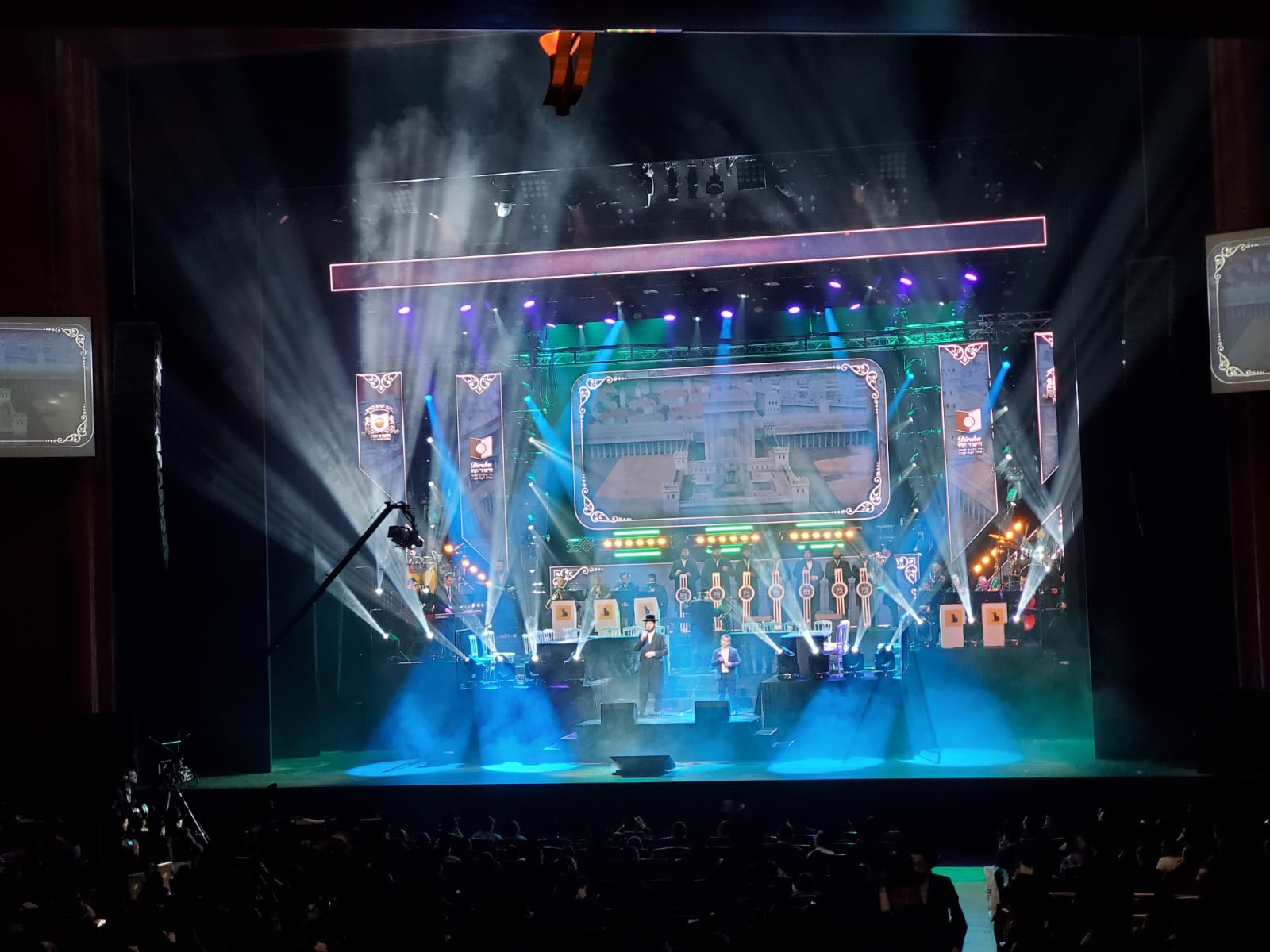
Lighting design has always been capable of more than illumination — but the discipline of building complete scenic environments purely through light, without a single flat, drape, or set piece, represents one of the highest expressions of the craft. Call it scenic lighting design, atmospheric environment creation, or simply the dark art of making an empty stage feel like somewhere specific and emotionally charged. The tools are better than they have ever been, and the designers using them are pushing further than ever before.
The Foundation: Understanding What Sets the Eye Believes
The human visual system interprets environment through depth cues, texture, color temperature, and shadow geometry. Lighting design that builds a scenic environment exploits all four simultaneously. A flat stage with no physical scenery can be transformed into a haunted interior by combining a deep blue cyclorama wash from GLP impression X4 Bar 20 units at floor level with high-contrast textural gobos projected from Robe BMFL WashBeam fixtures positioned at steep angles. The eye reads the shadow patterns as architecture — beams, columns, window frames — even when none exist physically.
Gobos: Texture as Scenery
The gobo — a metal or glass template inserted into an ellipsoidal fixture’s gate to project a pattern — is arguably the single most powerful scenic tool available without a budget. Manufacturers like Rosco, Apollo Design, and GAM Products produce libraries of thousands of gobo patterns, from architectural window dressings to organic natural forms. A breakup gobo from a Source Four 36-degree fixture, projected onto a light-colored rear curtain at a high throw angle, creates the convincing impression of light filtering through a forest canopy or an industrial skylight — a scenic effect that would otherwise require physical set construction costing ten times the price of the gobo order.
The evolution from fixed metal gobos to rotating glass gobos to animation wheels inside modern moving fixtures like the Martin MAC Aura XB or Chauvet Professional Maverick Storm 4 Profile has made animated scenic environments accessible on almost any production budget. The gobo rotation speed, direction change, and focus blur available in these fixtures allow a single automated luminaire to simulate anything from flickering firelight to rippling underwater caustics.
Color as Architecture
Color temperature differences are read by the eye as spatial relationships. Warm amber in the foreground and deep cool blue in the background creates perceived depth even on a flat surface — a technique lighting designers call color perspective. Lee Filters Lee 205 Half CTO in front positions against Lee 201 Full CT Blue in rear wash positions produces this effect with conventional fixtures. In the RGB LED era, the same principle is applied with infinite precision using pixel-mappable LED battens like the GLP JDC1 or Astera Titan Tube — fixtures that allow the LD to program gradient color fields across the entire stage depth.
Haze and Atmospheric Effects as Scenic Elements
Without atmospheric haze, beam-based scenic lighting simply does not exist visually. The hazer is as integral to light-as-scenery design as the fixtures themselves. Products like the MDG Atmosphere and Look Solutions Unique Hazer produce controlled, consistent, oil-based atmospheres that make light beams tangible without settling on stage or triggering venue smoke detectors. The density, spread, and distribution of haze determines whether a scenic light environment reads as intimate fog, industrial atmosphere, or ethereal aerial wash. Haze distribution is itself a design element — directional fans control where the haze settles, allowing LDs to make light appear to emanate from specific scenic zones.
Projection as Set Design
The boundary between lighting design and projection design has effectively dissolved in modern scenic practice. Video projection mapping using Christie Boxer 4K30 or Barco UDX-4K32 projectors, combined with disguise media server content, allows an LD to project photorealistic scenic environments onto any surface — rear curtain, translucent scrim, or the stage floor itself. Floor projection creates the impression of a reflective surface, transforming a matte black stage deck into a photorealistic marble floor or an infinite black mirror at essentially zero physical set cost.
The Role of the Lighting Console in Scenic Storytelling
Building a scenic look through lighting is as much about console programming as it is about fixture selection and position. The grandMA3 platform, ETC Eos family, and Chamsys MagicQ all provide the playback architecture to build complex, layered looks from cueing the macro elements — sky color, ambient depth, texture field — down to micro elements like a subtle position shift in a key light that transitions a scene from morning to late afternoon in 12 seconds. The effects engine within these consoles — running sine, square, and random offset patterns on intensity, color, and position parameters — brings the scenic environment to life with organic movement that static set design cannot replicate.
Learning from Theatre
The discipline of building worlds with light has its deepest roots in theatrical design. Designers like Jules Fisher, Jennifer Tipton, and Paule Constable built careers on the principle that light is the primary scenic element — that a bare stage can become any place on earth given the right instruments and the right design. The tools available in live concert and corporate event production today — motorized luminaires with full CMY color mixing, pixel-mappable LED systems, distributed haze control — exceed anything those pioneers had access to. The philosophy, however, is identical: before you spend a dollar on physical scenery, ask how much of that look lighting alone can build.
