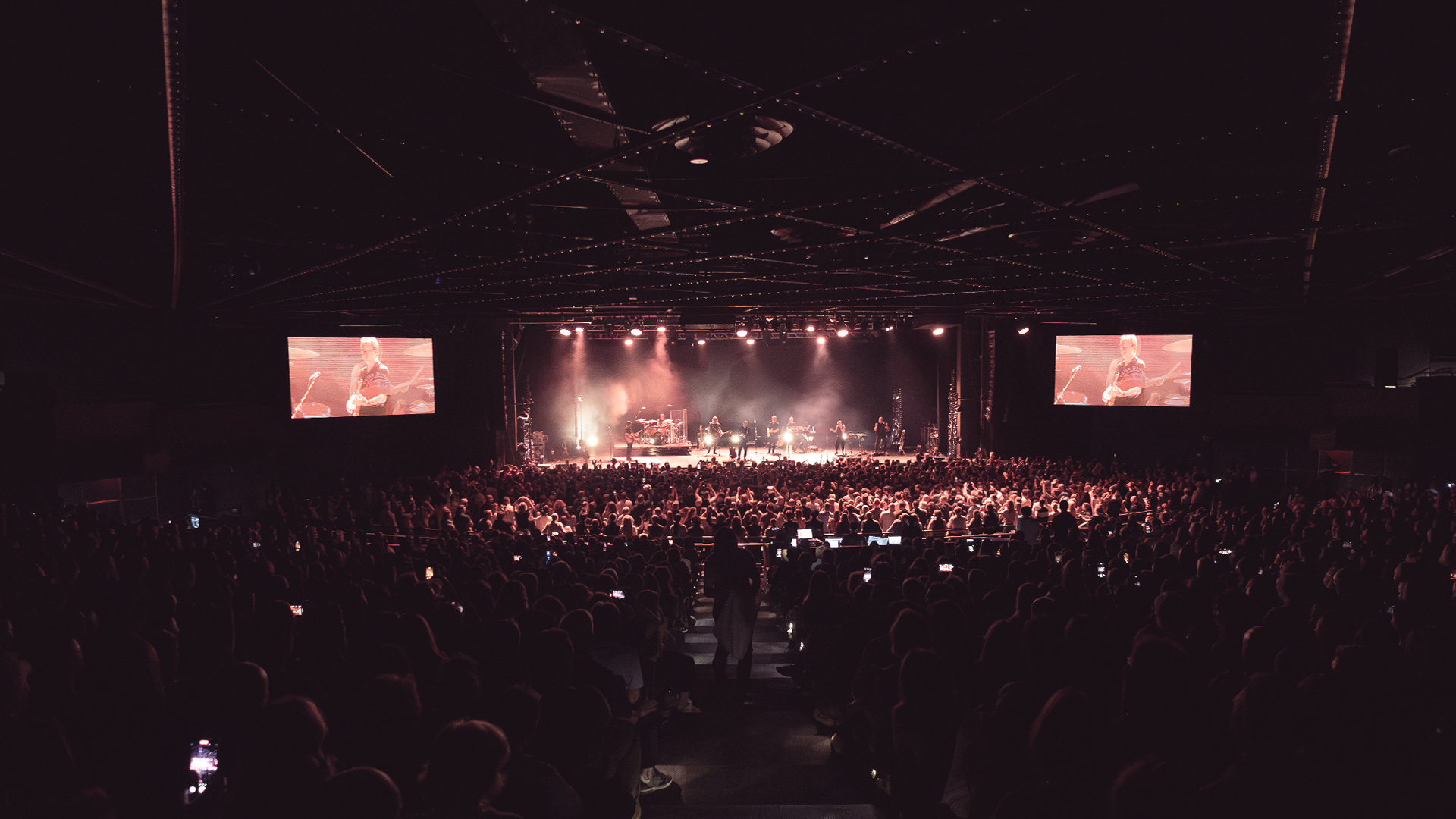
A 24-hour festival is not simply a long festival — it is an entirely different operational challenge where every piece of production equipment must be evaluated not just for performance but for endurance. From midnight through dawn and back to midnight the following evening, the production infrastructure must maintain show quality while crew fatigue, equipment thermal load, and battery capacity all work against the production manager’s need for reliability. Astera battery-powered LED fixtures have become a cornerstone technology in extended duration festival productions precisely because they were engineered with operational endurance — not just peak performance — as a design criterion.
Battery Management Strategy for Multi-Day Events
The operational key to deploying Astera fixtures across a 24-hour festival is a systematic battery rotation strategy. Astera’s charging flight case ecosystem — the Astera 16-slot charging case for AX1 PixelTubes and the ARC Case for Titan Tubes — allows production crews to charge a full set of replacement fixtures while the deployed fixtures run, swapping between sets at pre-planned intervals during low-visibility production moments. For a 24-hour deployment, experienced Astera technicians typically plan for two battery rotation cycles — one at approximately the 8-hour mark and another at the 16-hour mark — to ensure rated brightness is maintained throughout.
Ambient Conditions: Dawn Dew and Temperature Cycling
Outdoor fixtures operating through a full night cycle at a festival encounter temperature swings that can exceed 20°C between the evening performance hours and early morning — condensation, frost at elevated sites, and the thermal shock of direct sunrise exposure after a cold night. Astera’s fixture IP ratings — IP65 certification on the Titan Tube and AX10 ParLED — provide protection against condensation and light moisture exposure. Crew protocols for 24-hour Astera deployments typically include moisture inspection routines at dawn, where fixtures in outdoor positions are inspected for condensation accumulation around the end caps and battery compartment before the morning production session begins.
