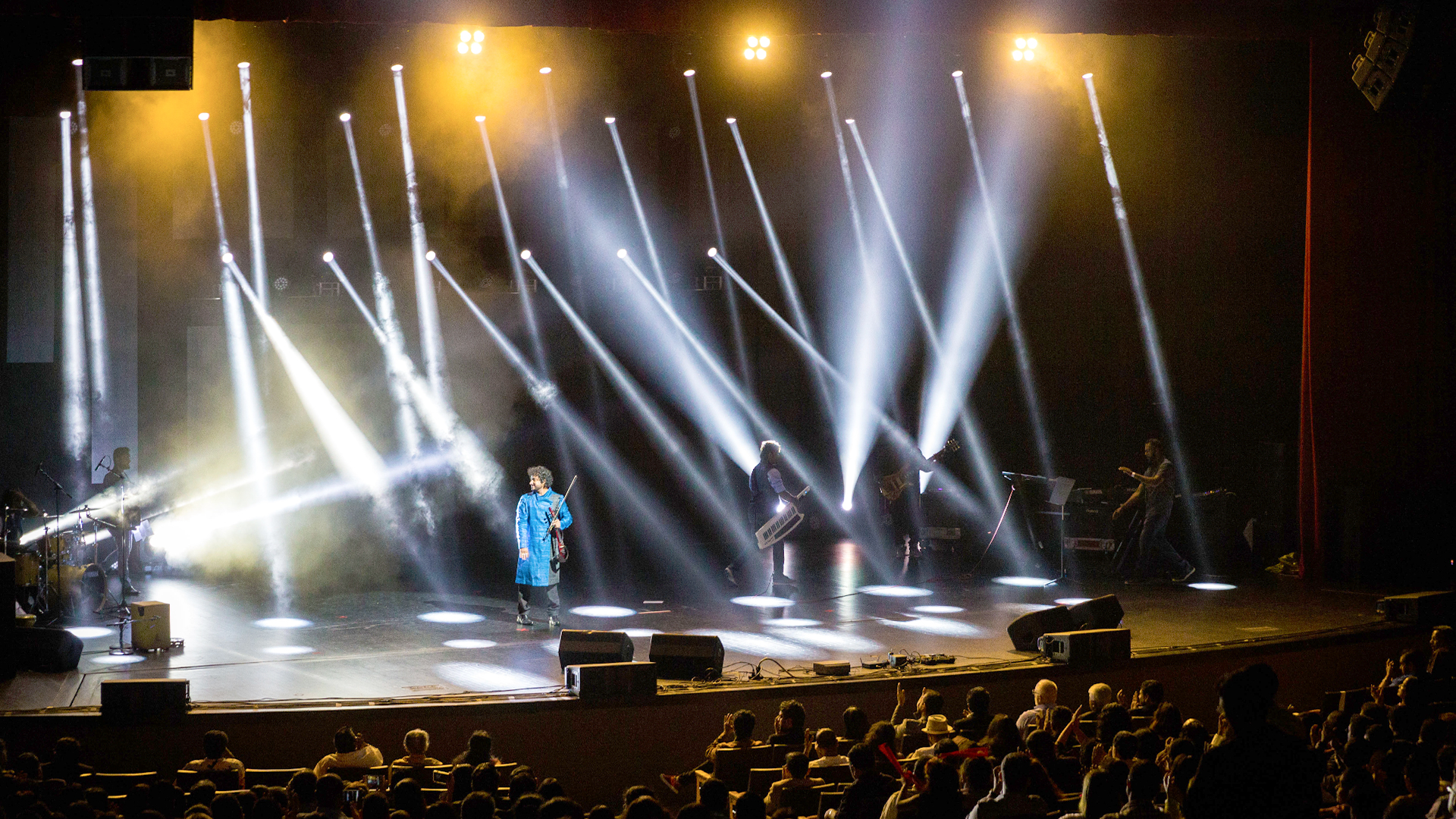
The followspot operators had rehearsed for three days. Every cue was documented. Every pickup point was marked with spike tape. The Robert Juliat Lancelot spots had been focused and color-corrected. Then the show started, and the fixtures decided to interpret their programming creatively—casting shadows where none should exist, creating light pools that wandered like curious cats, turning a precision theatrical lighting operation into abstract expressionism.
The Art and Science of Following Light
Followspot operation represents one of the oldest theatrical lighting techniques still in active use. The limelight era of the 1820s introduced the concept of focused beams tracking performers—using cylite lime heated to incandescence to produce brilliant white light. The fundamental principle hasn’t changed in two centuries: put light where the performer is, keep it there as they move, and do it so smoothly that audiences forget there’s a human controlling the beam.
Modern followspot technology from manufacturers like Robert Juliat, Lycian, and Strong has evolved dramatically. Xenon and LED sources have replaced the carbon arc fixtures that once illuminated Broadway. DMX integration allows console operators to adjust intensity and color remotely. But the core challenge remains: a human must anticipate and follow performer movement while maintaining beam quality. And humans, unlike automated systems, have bad days.
When Operators and Optics Disagree
The production that inspired this article featured a concert followspot package with four positions—two front of house and two at deck level for dramatic uplighting. The front positions used Strong Super Trouper fixtures throwing from eighty feet. The floor positions deployed ETC Source Four PAR units with followspot yokes for mobility.
During the opening number, the front-of-house spots tracked perfectly—experienced operators delivering textbook performance. But the floor spots created unexpected problems. Their low angles cast long shadows that fell across other performers, the LED video wall, and the drummer who increasingly looked like a character from a German expressionist film. Nobody had accounted for how shadow geometry would interact with the production design.
The Shadow Conspiracy
Every lighting designer studies shadow behavior as a fundamental principle, but followspots introduce dynamic variables that static fixtures don’t create. A Robe RoboSpot system controlling automated fixtures from a remote station might produce consistent shadow angles throughout a show. Human-operated spots move continuously, changing angles and shadow patterns in ways that even experienced designers struggle to predict.
That concert production solved their shadow crisis through creative countermeasures. The programmer created dedicated wash coverage using Martin MAC Aura XB fixtures specifically to fill areas where floor spot shadows fell. The video director adjusted camera positions to minimize shadow visibility in broadcast shots. And the floor spot operators learned to anticipate problem angles, pulling back intensity when shadows would otherwise dominate.
Color Temperature Conspiracies
Even when spots hit their marks perfectly, color temperature mismatches can undermine visual coherence. A 2700K tungsten spot paired with 5600K LED stage wash creates skin tones that shift dramatically as performers move between coverage zones. The effect is subtle enough that untrained audiences might not consciously notice, but trained eyes—including broadcast directors and the artists themselves—immediately detect the inconsistency.
High-end productions now specify LED followspots that can match color temperature to surrounding luminaires. The Robert Juliat SpotMe and similar fixtures include tunable white LED sources that lighting programmers can adjust throughout the show. But this capability requires additional coordination between spot operator and console—another variable in an already complex choreography.
The Human Element in Precision Lighting
Automated followspot systems like TAIT Spotlight and PRG GroundControl Followspot promise to eliminate human inconsistency. An operator at a remote station uses a camera feed and joystick to aim fixtures that physically reside on trusses or fly positions—no more personnel in precarious catwalks, no more fatigue affecting late-show performance. The technology is genuinely impressive.
Yet traditional operator-based followspots persist in many applications. Human operators can anticipate performer movement in ways that camera-based remote systems cannot. They can communicate directly with performers through subtle cues. They can adapt instantly to unexpected staging changes without requiring reprogramming. The Broadway tradition of operators working directly with lighting designers during tech creates artistic relationships that remote operation struggles to replicate.
Training the Invisible Artists
Professional followspot operation requires skills that few training programs adequately address. Smooth pickup technique—finding a performer in darkness and bringing up the beam without visible searching—takes years to master. Iris control for tight shots versus full-body coverage becomes instinctive only through repetition. Communicating with other operators to ensure coordinated coverage during complex choreography demands interpersonal skills alongside technical competence.
The best operators become invisible: their work appears effortless, so seamlessly integrated with stage action that audiences forget the light is deliberately placed. Achieving this invisibility requires understanding not just the mechanics of their fixtures but the dramaturgy of the production—knowing why light appears on each performer, what emotional moment it serves, and how to enhance storytelling through beam quality and movement.
Equipment Reliability Under Performance Pressure
Followspot failures typically occur at maximum dramatic inconvenience. A lamp failure during the star’s entrance. A color frame jam preventing essential color changes. A mechanical yoke malfunction restricting pan or tilt range. These failures happen despite rigorous maintenance because high-intensity fixtures operate under extreme thermal and mechanical stress.
Smart productions maintain backup protocols for spot failures. Other operators know which cues they might need to cover. The lighting programmer has emergency presets that can replicate essential spot coverage using automated fixtures. Spare fixtures with matched focus and color frames wait in the wings. This redundancy planning seems excessive until the moment it saves a performance.
Communication Systems and Coordination
Followspot cueing requires dedicated communication infrastructure. The Clear-Com intercom or Riedel Bolero system connecting spot operators to the stage manager and lighting desk becomes as important as the fixtures themselves. Cue calls must be clear, consistent, and audible over venue noise—which on rock concerts might approach SPL levels that require hearing protection.
The language of spot calling has developed standardized vocabulary: “standby” precedes every cue, “go” executes it. Pickup locations reference stage geography: “downstage left entrance.” Color changes specify the desired result: “frost” or “lavender.” This communication protocol has evolved through decades of theatrical practice, refined to minimize ambiguity under performance pressure.
The Future of Following Light
Emerging technologies promise to transform followspot operation further. Computer vision systems can track performers automatically, with fixtures following RF transmitters or using infrared tracking to lock onto targets. Blacktrax and similar systems already enable automated fixtures to follow performers with precision that human operators struggle to match.
Yet something essential might be lost if human operators disappear entirely. The artistic interpretation that skilled operators bring—adjusting intensity to match emotional moments, anticipating movement based on musical phrases, creating breathing room in the light that mechanical tracking wouldn’t provide—represents a human element in increasingly automated productions. The question for future lighting design is whether that element matters enough to preserve.
Meanwhile, in theaters and arenas worldwide, operators continue climbing to their positions, warming up their fixtures, and preparing to follow light wherever the performers lead. They know their work might go unnoticed—the highest compliment in a craft built on invisibility. And they know that tonight, like every night, the spotlight might decide to play with shadows in ways nobody planned. Their job is to adapt, compensate, and make it look like that was the intention all along.
Keywords: followspot operators, Robert Juliat Lancelot, theatrical lighting, theatrical lighting techniques, limelight era, followspot technology, Robert Juliat, Lycian, Strong, DMX integration, concert followspot package, Strong Super Trouper, ETC Source Four PAR, shadow geometry, lighting designer, shadow behavior, Robe RoboSpot, programmer, Martin MAC Aura XB, video director, color temperature, 2700K tungsten, 5600K LED, LED followspots, Robert Juliat SpotMe, lighting programmers, spot operator, TAIT Spotlight, PRG GroundControl Followspot, operator-based followspots, Broadway tradition, followspot operation, iris control, dramaturgy, lamp failure, color frame jam, yoke malfunction, backup protocols, lighting programmer, Clear-Com intercom, Riedel Bolero, stage manager, spot calling, infrared tracking, Blacktrax, artistic interpretation
