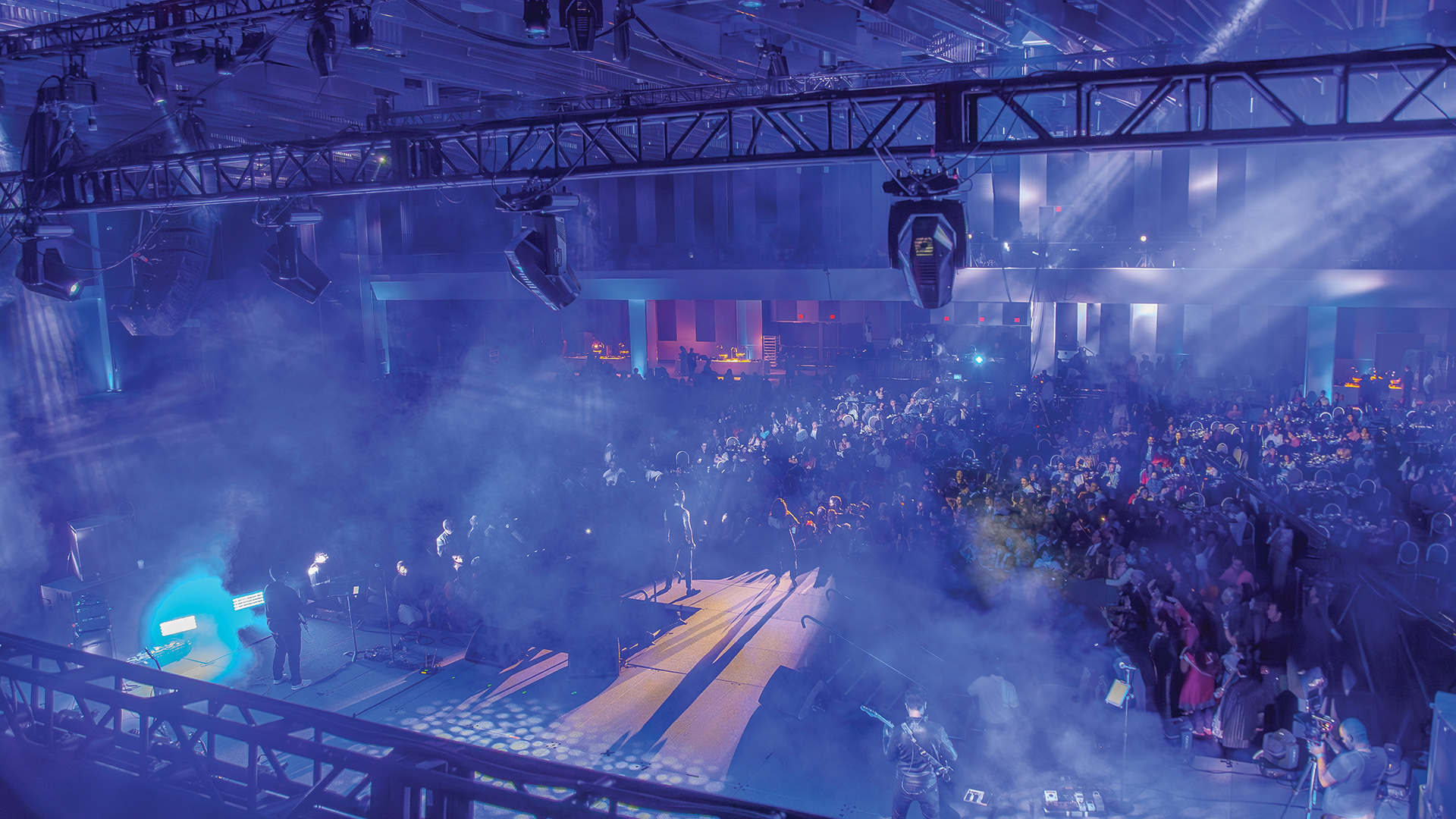
A ground-stacked subwoofer array at a major outdoor festival represents a significant capital investment — anywhere from $200,000 to $600,000 in equipment — sitting exposed to the full spectrum of outdoor weather conditions for 3-5 days of event operation. Rain, wind, UV radiation, temperature extremes, and humidity variations that would damage consumer electronics within hours are simply the operating environment that professional touring sub arrays must survive while delivering consistent, reliable output. The engineering that makes this possible is as impressive as the acoustic performance it protects.
Rain: The Ubiquitous Threat
Of all weather threats to outdoor subwoofer systems, rain is both the most common and the most systematically addressed in modern enclosure design. Premium touring subwoofer enclosures from JBL, d&b audiotechnik, L-Acoustics, and Meyer Sound feature IP43 to IP55-rated enclosure construction — sufficient for heavy rain ingress protection on the enclosure body — combined with ferrofluid-cooled compression drivers that resist moisture migration and hydrophobic cone treatments on woofer diaphragms that maintain acoustic properties when wet.
The vulnerability points aren’t the enclosures themselves but the amplification and signal infrastructure that feeds them. Production companies have developed standardized weatherproofing protocols for amplifier racks at outdoor events: Waterproof rack canopies from suppliers like Penn Elcom and Adam Hall, IP65-rated cable entry glands on custom-fabricated amp rack faces, and Gore-Tex breather membranes on rack enclosures that allow pressure equalization without moisture ingress. These protocols, combined with Crown I-Tech HD amplifiers’ internal conformal coating on PCBs for humidity resistance, provide practical protection that extends beyond IP ratings to real-world outdoor touring conditions.
Temperature Extremes: From Desert Heat to Winter Festivals
The operating temperature range for professional touring subwoofer systems spans environments that seem mutually exclusive: the 41°C ambient temperature at EDC Las Vegas in June, where black-painted subwoofer enclosures absorb solar radiation to surface temperatures exceeding 60°C, and the -8°C overnight temperatures at winter festivals in Northern Europe, where lubricants in motor assemblies thicken and cone surrounds on woofers become temporarily stiff at low temperatures.
At high temperatures, the primary failure mode for subwoofer drivers is voice coil thermal destruction — the adhesive binding the voice coil former to the spider degrades above a critical temperature that varies by manufacturer but typically lies between 160-200°C. Large-format touring woofers from JBL’s VTX S28 and L-Acoustics SB28 use Kapton former construction and high-temperature adhesives rated above 200°C, combined with DSP thermal limiting via the Crown and Lab.gruppen amplifier protection curves that reduce high-frequency content (which increases voice coil temperature) before reaching destructive excursion limits.
Wind Load Management for Ground Arrays
A ground-stacked subwoofer array configuration of 32 dual-18-inch enclosures presents significant wind loading at a festival site during weather events. The combined weight of the enclosures provides substantial resistance to horizontal displacement — each JBL VTX S28 weighs 120kg — but the vertical stacking configuration creates toppling moment risk during high-wind conditions that health and safety regulations at UK and European festivals now specifically require to be addressed in structural engineer-certified ground array designs.
Standard practice involves array footprint spreading (wider base to height ratio), chain-lashing of enclosures to perforated steel anchor plate systems staked into the ground, and in some cases, temporary fencing integration that creates a physical barrier between the sub array and the audience area while providing lateral structural support. HSE wind load calculations for temporary structures now extend explicitly to ground-stacked speaker arrays following incidents at multiple UK festivals in the 2010s, and production managers who cannot produce structural engineer sign-off for their sub array configurations increasingly face event permit refusal.
